
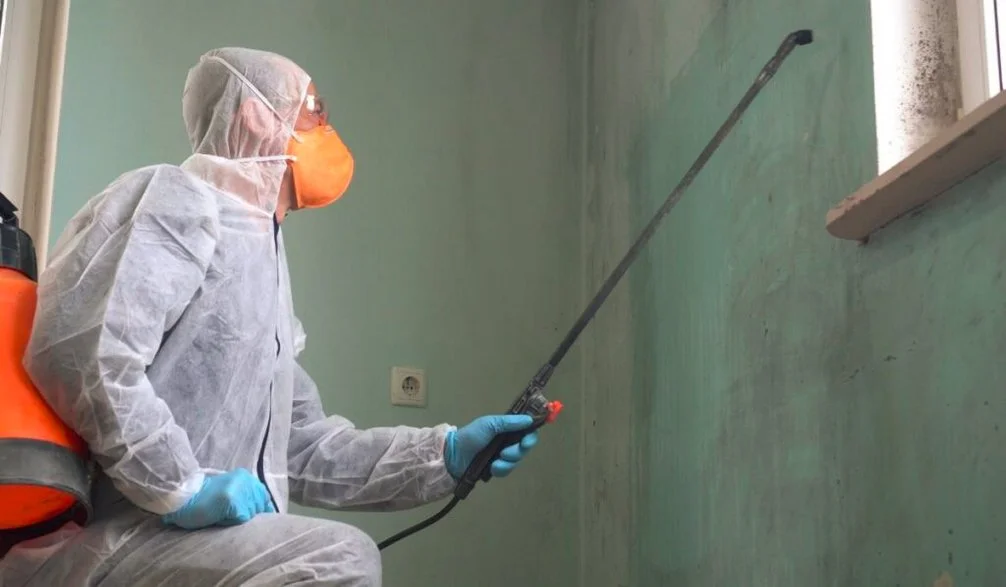
Mold Remediation
The dangers are too extreme to not restore your breathing environment.
What Are Remediation Activities?
Remediation activities include but are not limited to:
• Removing materials like carpet or other flooring items that are contaminated.
• Cleaning and wiping surfaces.
• Demolition, including removing sheetrock or paneling or ceiling tiles.
• Applying a biocide or anti-microbial compound — the whole area is included in total square feet.
• Using a HEPA Vac means all areas count in the total square feet.
• Sanitizing areas to “prevent” mold from growing – again, the total area is included in the total square feet.
Mold remediation, involves addressing mold issues by removing the mold, cleaning the affected areas, and fixing the underlying causes of moisture problems to prevent recurrence. Often requiring professional expertise.
Here's a breakdown of what mold remediation entails:
Mold Assessment:
A licensed mold assessor will inspect the area to determine the extent of the mold problem and develop a remediation plan.
Remediation Plan:
This plan outlines the steps to address the mold, including containment, removal, cleaning, and drying.
Containment:
To prevent the spread of mold spores, the affected area is isolated using plastic sheeting and HEPA air filtration systems.
Mold Removal:
Mold is physically removed from surfaces, and contaminated materials are discarded.
Cleaning and Disinfecting:
Surfaces are cleaned with appropriate solutions, and disinfectants are used to kill remaining mold spores.
Moisture Control:
The underlying cause of the mold, such as leaks or high humidity, is identified and addressed.
HEPA Vacuuming:
HEPA vacuums are used to remove mold spores from carpets and upholstery.
Documentation:
A Certificate of Mold Damage Remediation (CMDR)
is issued upon completion of the remediation.
A Brief Guide to Mold, Moisture and Your Home | US EPA
Indoor mold growth can and should be prevented or controlled by controlling moisture indoors.